










There are days when the wardrobe feels just right, but the look still isn't quite there. It's rarely the clothes that are the problem. It's the small details that are missing. Women's accessories are the quickest styling trick when an outfit feels flat, unfinished, or a little too safe. The right details create balance, add personality, and make even a simple basic wardrobe more exciting. The problem is rarely a lack of clothes. It's a lack of the small pieces that tie the look together. If you choose wisely, accessories can do more for a look than five new styles in your closet.

At Stilkompagniet, we believe that accessories are what make a wardrobe personal. We prefer a few good details over many random ones, because those are the ones you'll end up using again and again. That's why we gather jewelry, bags, belts, sunglasses, and the season's hats, gloves, and scarves alongside women's clothing and shoes, so you can build your entire look in one go.
What do women's accessories cover in a modern wardrobe?

Women's accessories are everything that shapes the finish of your look. A.Kjærbede and Re:Designed are good examples of how sunglasses, bags, belts, and jewelry can be both practical and style-strong.
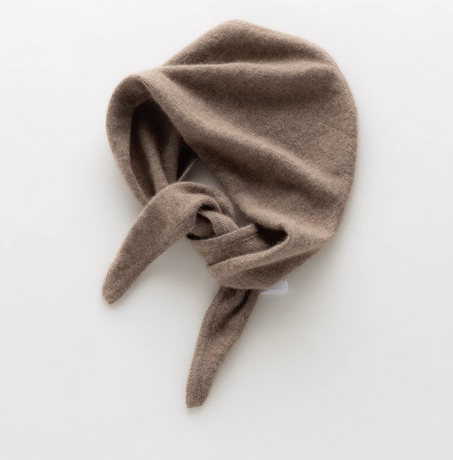
In practice, accessories are not just about adornment. They control proportions, color rhythm, and mood. A soft cashmere hat makes a winter look more luxurious. A simple necklace can elevate a white shirt without the outfit losing its calm.
The most important accessory groups in a modern wardrobe are typically jewelry, bags, belts, sunglasses, scarves, and seasonal items like gloves, hats, and other headwear. Hair accessories and wallets also play a role, but they are often secondary compared to the pieces that are seen first.
If your clothes are mostly neutral, women's accessories often become where the personality resides. If your clothes are already printed or colorful, a deep pink, a bright red, accessories should create balance rather than compete.
How do the right details elevate a simple outfit without stealing focus?
Yes, women's accessories can sharpen a basic look in minutes. A leather belt from Re:Designed and small earrings from ANDCOPENHAGEN are enough to give jeans and a shirt a more deliberate silhouette.
Start with one clear main role. This could be a bag, a belt, or a piece of jewelry. Many believe that more accessories automatically lead to more style, but the opposite is often true. One clear focal point looks more expensive than four random details.
Then go for support, not noise. If you've chosen statement sunglasses, keep the jewelry clean and subtle. If you've chosen chunky hoops, keep the bag simple. The visual weight needs to be distributed, otherwise the look becomes heavy.
Finish with function. A good accessory should not only look good in a picture. It should also make sense in your day. If you cycle, a crossbody is more realistic than a clutch. If you're out all day, sunglasses with good UV protection are a smarter choice than purely fashion-focused ones.
Which 8 women's accessories are the strongest must-haves right now?

The most reliable must-haves are timeless, practical, and easy to style across seasons. ANDCOPENHAGEN, A.Kjærbede, and classic leather brands clearly show that the strongest wardrobe is built on a few good categories, not on random impulse purchases.
We often see that it's the same eight categories that customers return to, so if you want to build a sharp accessory base, they are worth prioritizing first:
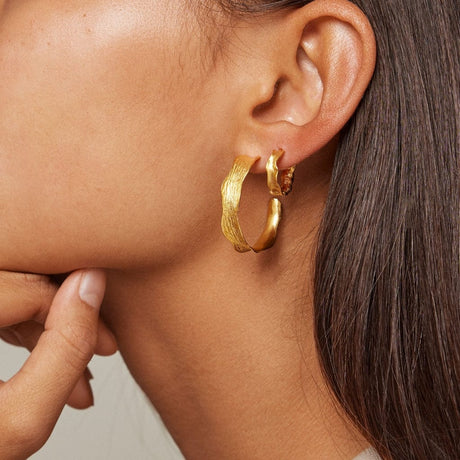
- Earrings. Small hoops, studs, or discreet statement earrings provide an immediate lift to knitwear, blazers, and party dresses alike.
- Necklaces. Fine chains or a single pendant create length in the look and work perfectly with shirts, T-shirts, and V-necks.
- Bracelets. A simple bracelet does more than many expect. It adds movement and finesse, especially when the rest of the look is simple.
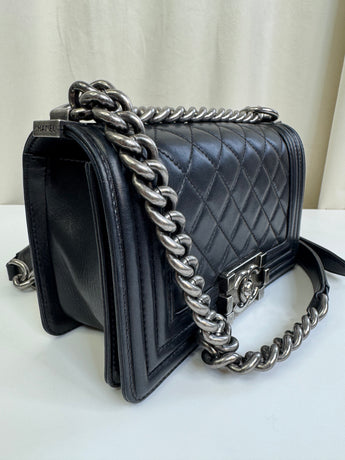
- Bags and wallets. A good bag is both function and fashion. Crossbody for everyday, shoulder bag for a city look, clutch for evening.
- Sunglasses. Sunglasses change the look in seconds. Narrow, oval, or rectangular frames can shift a look from subtle to sharp.
- Belts. A leather belt shapes the waist, tightens proportions, and makes even oversized styles more elegant.
- Hats and gloves. In Denmark, seasonal accessories are not extra. They are part of the look. Cashmere or leather makes the winter uniform more exclusive.
- Scarves. A scarf warms, softens, and adds texture, the kind of softness you feel as soon as you put it on. It's especially strong when the rest of the outfit is tonal and simple.
The common denominator is versatility. If an accessory only works with one outfit, it's rarely a must-have. If it works with at least three looks, it's closer to a good buy.
How to choose the right details for your everyday look, step by step?
The best everyday look is built in layers. A simple shirt and a simple bag from Re:Designed show that calm, function, and one sharp detail are enough.
First, choose your base. If you're wearing jeans, knitwear, and sneakers, think of accessories as a complement to the lines of your clothes. A soft silhouette often calls for more structure, while a sharp blazer can handle more soft details.
Next, choose your metal or leather direction. If your shoes are warm-toned, gold details and cognac-colored leather are often a safe match. If your basics are black, gray, or navy, silver and black leather almost always work.
Finally, add one detail that makes the look personal. This could be sunglasses, a bracelet, or a cap. If you choose more than one statement piece, let them share a color family. This makes the look appear deliberate, not busy.
What is best, gold or silver for your accessories?
Neither is generally best. We get the question often in the store, and the answer is almost always the same: it's about you, not a trend. Sterling silver and gold-plated brass give two different expressions, and the choice should be guided by skin tone, wardrobe colors, and how much maintenance you're willing to do.
Gold often feels warmer, softer, and more radiant. It plays strongly with beige, cream, brown, olive, and warm red tones. Silver appears cooler, cleaner, and more graphic, and it stands out sharply against black, white, gray, denim, and strong cool colors.
Here's the nuance. Gold-plated jewelry can be more sensitive to perfume contact, sweat, and moisture. Silver can oxidize and darken, but it can usually be polished up again. Many believe that silver is always more casual, but polished silver can be just as dressy as gold.
If your wardrobe is warm and soft, start with gold. If it's monochromatic and minimalist, start with silver. If you want to mix, let at least one detail connect the metals, for example, a bag with mixed hardware or a watch in a neutral tone.
Should you choose new or preloved accessories?
Preloved and new solve two different needs. We love both at Stilkompagniet, but for different reasons. Gucci and Saint Laurent on the preloved market can provide more brand value per dollar, while new accessories often offer longer lifespan and fewer compromises.
New accessories are ideal if you want fresh materials, warranty, and full control over wear and tear. This is especially relevant for sunglasses, gloves, and plated jewelry, where condition greatly affects the appearance.
Preloved is strong if you're looking for luxury, character, and a better price point than new purchases. But here's a simple checklist: look at visible wear, hardware, closures, corners, lining, and authenticity. If the stitching seems uneven, the logo looks wrong, or the metal flakes unnaturally, you need to be extra critical.
A common misconception is that preloved is always the cheaper option. Not necessarily. The best vintage or luxury styles often hold their value better but also require more research. If the bag will be used daily, a new model might be smarter. If you want edge and iconic design, preloved might be the obvious choice.
How do you match bags, belts, and jewelry step by step?
Yes, you can match the three without being overly coordinated. A bag from Re:Designed and fine jewelry from Enamel work best when texture, metal, and proportions speak the same language.
Start with the bag, as it takes up the most visual space. A large soft shopper gives a more relaxed expression than a compact shoulder bag with a rigid shape. Your bag sets the tone for the rest.
Continue with the belt. Here, width is important. A narrow to medium-width belt is often most versatile for both jeans and dresses. If the bag has a lot of hardware, keep the belt calmer. If the bag is very simple, the belt can take a little more attention.
Finish with the jewelry. It should tie things together, not take over. If the bag has gold-colored hardware, gold jewelry is the easy choice. If you already have a prominent belt buckle, keep the earrings smaller. Match the mood, not necessarily everything one-to-one. Perfectly identical tones can quickly feel stiff.
Which materials last longest and look best?
The strongest materials are those that age beautifully. Sterling silver, genuine leather, pure wool, and cashmere typically last better than cheap blends, if used and stored correctly.
Material choice is not just a matter of price. It's about wear patterns. A bag in good leather often develops a patina, deeper color, and more character over time, almost as if it becomes softer to the touch with each year you use it. A cheap synthetic surface, on the other hand, can crack. A scarf with a high percentage of cashmere or wool will usually feel softer and insulate better than thin fashion blends.
Here are the most important quality markers to look for:
- 925 silver: means 92.5 percent pure silver and is an established standard for sterling silver.
- Genuine leather: look for even texture, firm edges, and hardware that doesn't feel flimsy.
- Cashmere or wool: a high percentage typically provides better warmth, drape, and durability.
- UV protection in sunglasses: should be standard, not a bonus.
Many believe that heavier is always better. That's not entirely true. Overly heavy earrings or bags can be impractical to wear. The right balance is between quality, weight, and function.
How to choose women's accessories for work, dinner, and parties?
The right choice depends on the context. Small hoops and a structured bag work better for the office, while a clutch and more sparkle make sense for dinner or a party.
For work, the rule is simple: focus on sharpness. Choose pieces that look finished without demanding attention. A medium-sized bag, a discreet belt, and small jewelry convey authority and calm. If you work in a more creative environment, sunglasses, larger earrings, or colored accessories can be given more space.
For dinner, you can dial up the texture and metal. Here, accessories can catch the light. A chain, a smaller shoulder bag, and a more prominent piece of jewelry provide the right transition between day and evening.
For a party, one detail can be a statement. If the dress is simple, choose striking earrings or a bag with a special finish. If the dress already has glitter, satin, or print, choose cleaner accessories. This is often where the look tips. More is not always more.
How to care for your accessories so they last season after season
Yes, good care significantly extends their lifespan. Sterling silver, cashmere, and leather last best when moisture, friction, and incorrect storage are minimized from the start.
Jewelry should be removed before showering, exercising, and applying perfume directly to the skin. This is especially true for gold-plated styles. Silver can be stored in sealed bags or jewelry boxes to reduce oxidation. Bags maintain their shape better if they are lightly stuffed during storage and not left hanging heavily on a hook for months.
Scarves, hats, and gloves also require some discipline. Cashmere and wool benefit from gentle washing according to care instructions and airing between uses. Leather gloves should dry naturally, not on a radiator.
Stick to these simple habits:
- Store in a dry, dark place
- Avoid perfume directly on jewelry
- Clean hardware and glass regularly
- Rotate between your most used pieces
If you use the same accessories every day, they will wear out faster, regardless of quality. Rotation is not just smart styling. It's also pure durability logic, and a good reason to have a few extra favorites on hand when you're browsing with us anyway.
Frequently asked questions
Which women's accessories are the most important to own?
The eight most reliable must-haves are earrings, necklaces, bracelets, bags and wallets, sunglasses, belts, hats and gloves, and scarves. The common denominator is versatility, so choose pieces that work for multiple looks, not just one outfit.
Gold or silver, what suits my clothes best?
Neither is generally best; it depends on skin tone, wardrobe colors, and maintenance. Gold plays strongly with warm tones like beige and brown, while silver stands out sharply against black, white, and other cool colors.
Should I choose new or preloved accessories?
New offers fresh materials, warranty, and full control over wear and tear, which is relevant for sunglasses and plated jewelry. Preloved often provides more luxury and character for the money, but thoroughly check wear, hardware, and authenticity first.
How do I match a bag, belt, and jewelry without being too coordinated?
Start with the bag, as it occupies the most visual space and sets the tone for the rest of the look. Continue with the belt, keeping it calmer if the bag has a lot of hardware, and finish with jewelry that ties the mood together rather than taking over.


